Cover letter structure: the plan that works
The four-part plan for a cover letter that holds together - hook, you, them, next step - with what goes in each paragraph, and what to cut.
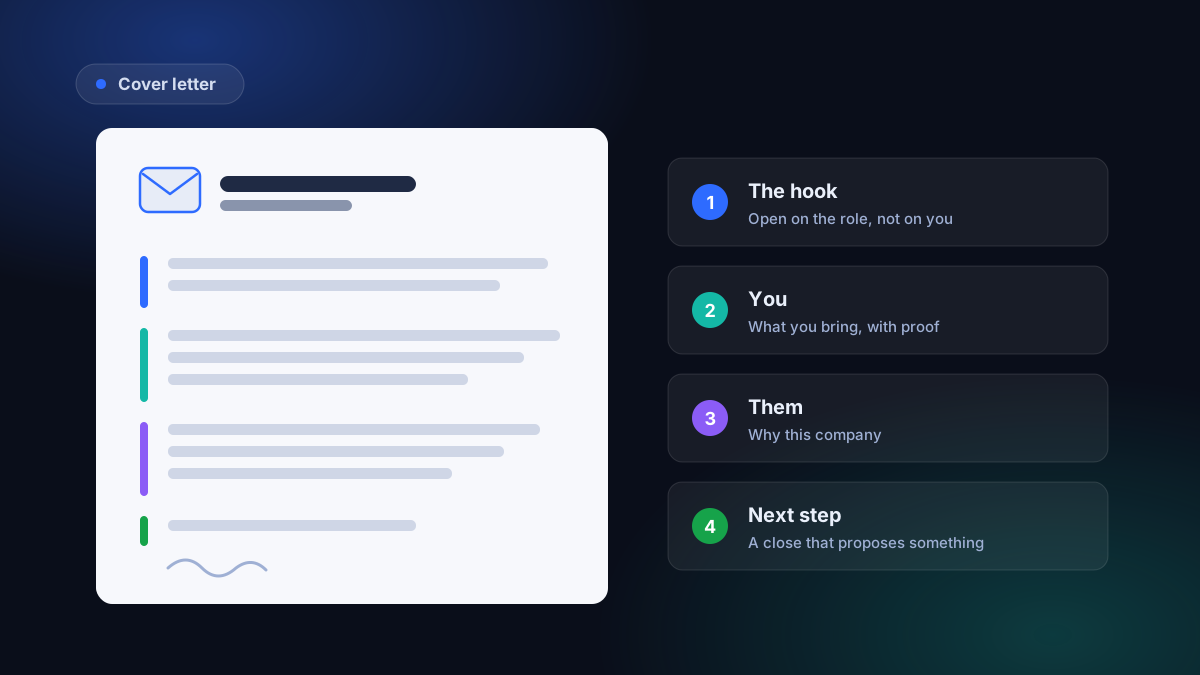
A strong cover letter structure uses four short paragraphs: an opening focused on the role, evidence of what you bring, a specific reason for choosing the company, and a clear next step. Each paragraph answers one employer question, and the complete letter stays within one page.
1. The hook: start with the role
The first sentence decides whether the rest gets read. Don't open on yourself ("I am currently seeking a position...") but on the role and a specific reason for applying. Name the title and the company, then give the angle that makes you relevant.
Compare:
- Weak: "I am writing to apply for the position of communications coordinator."
- Better: "Your communications coordinator opening at [Company] needs someone who can own an editorial calendar and measure what works - which is exactly what I've done for the last two years."
2. You: what you bring, with proof
One paragraph. Take the two or three skills the posting really asks for and back each with a concrete achievement. No adjectives ("dynamic, detail-oriented") - facts. Reuse the posting's vocabulary where it's honestly yours - it signals fit to the person reading (keyword screening runs on your résumé, but a letter written in the role's language still lands harder).
3. Them: why this company
This is the paragraph most candidates skip, and the one that makes the difference. Show that you read past the title: a recent project, a stated value, a market context. Connect it to what you're looking for. A letter that could be sent to ten companies convinces none of them.
4. Next step: a close that proposes something
End on action, not a bow. Your availability for a conversation, in one line. Cut "I look forward to hearing from you at your earliest convenience" if you can - or keep it short.
The principle that holds it together
The resume lists; the letter connects. Each paragraph answers a question the recruiter has: why this role, what do you bring, why us, and what next? If a sentence answers none of the four, it can go.
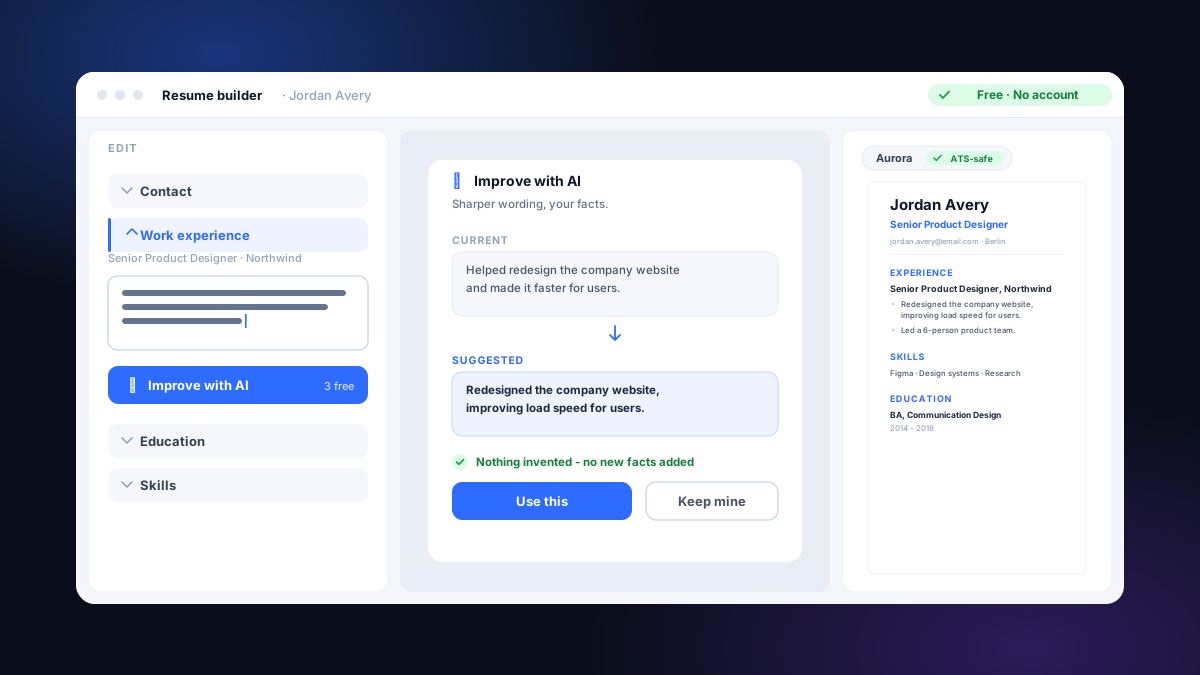
Our cover letter generator applies this plan from your resume and the job offer you paste - it never invents experience, and the preview is free. You choose the format and the language (English or French), and you edit the text before you download.
Common questions
How long should a cover letter be?
One page, never more. In practice three to four short paragraphs do the job: a hook, one paragraph on what you bring, one on why this company, and a closing line. If it runs past a page, it's repeating the resume.
Should I open with 'Dear Hiring Manager'?
If you have the person's name, use it - it's always better. Otherwise 'Dear Hiring Manager' is fine. What matters more is the sentence that follows: it should be about the role, not about you.
Should the cover letter repeat my resume?
No. The resume lists what you did; the letter explains why it matters for this specific role. Reuse one or two achievements at most, and only to show the link to the posting.